
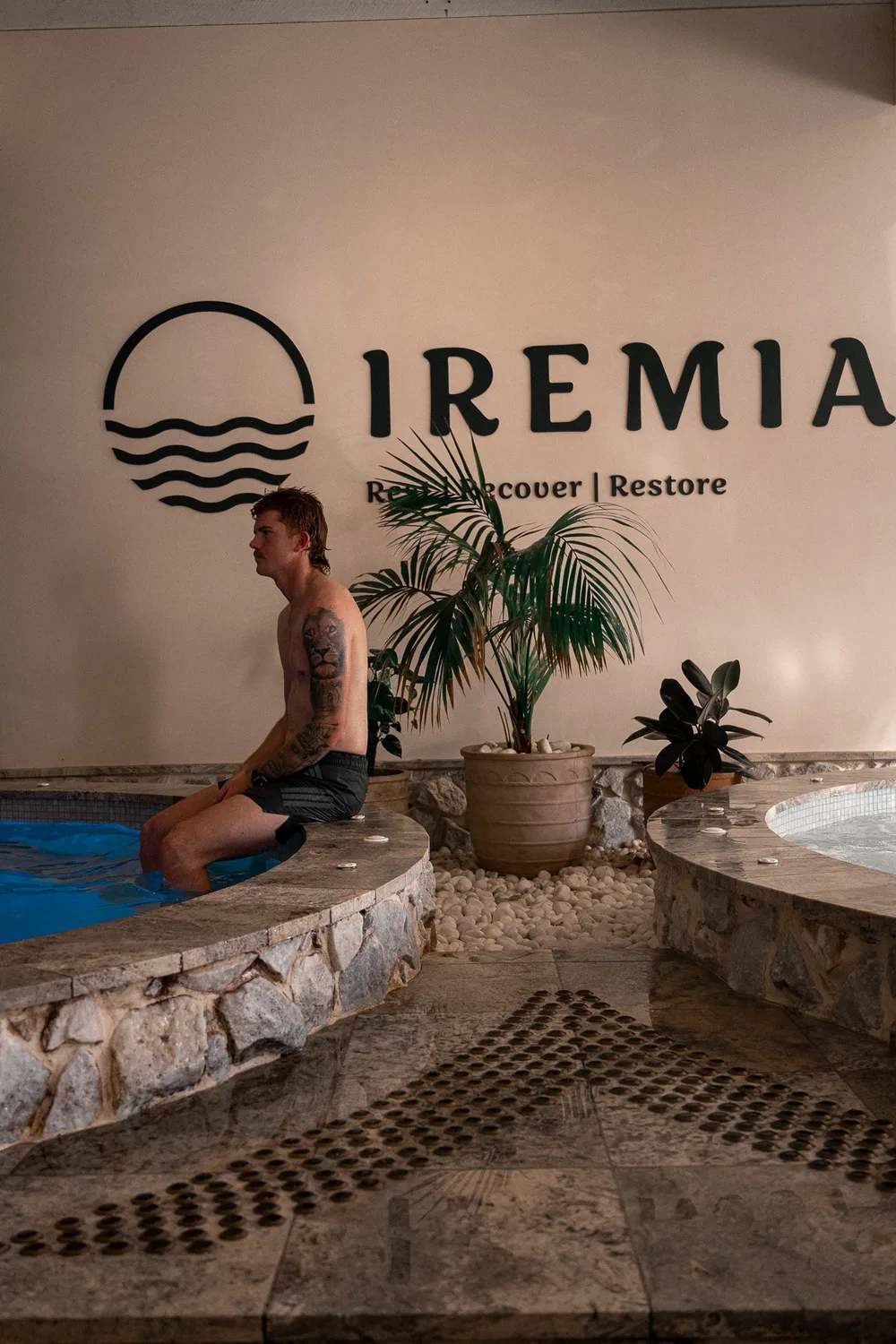
If you are running Bridge to Brisbane this year, you are in the building weeks right now. The long runs are stretching out, the alarm is going off earlier, and race day is close enough to feel real. This is the window where recovery starts to matter as much as the running itself, because the runs only count if your body gets the chance to absorb them.
Training does not make you fitter. Recovering does.
A hard run is a controlled dose of stress. It leaves your muscles a little damaged, your fuel stores down and your nervous system worked. The fitness you are chasing arrives afterwards, while you rest, when the body repairs itself slightly stronger than before. Skip that repair window and the next session starts from a hole. String enough of those together and you get the classic mid programme slump: heavy legs, flat pace, a head that would rather stay in bed.
The heavy legs problem
Most people training for a fun run are not just training. They are working, parenting and living around the kilometres. That means recovery has to be deliberate rather than accidental. The soreness that builds across a training block is cumulative. Calves that never quite loosen, hips that feel rusty on the first kilometre, that low grade tiredness that follows you around by week six. None of it means anything is wrong. It means the load is real, and it responds well to being looked after.
Where heat helps
Time in the warm magnesium pool and the sauna after a long run supports the things your body is already trying to do. Warmth brings blood to tired muscles, softens the stiffness that sets in a few hours after a big session, and helps most people sleep deeper that night. Sleep is where the real repair work happens, so anything that improves it is quietly improving your running too. A slow soak the evening after your Sunday long run is one of the simplest habits in the sport.
Cold, used with a little care
The cold plunge is the part runners tend to fall in love with, and it earns it. Cold water helps settle inflamed, aching legs and leaves you feeling reset in a way that is hard to describe until you have done it. One note worth knowing: some athletes prefer to keep the plunge away from the hours straight after their hardest strength work, since part of the soreness process is the signal the body adapts to. For a runner in a fun run block this is a small consideration, not a rule. Use the cold on the days your legs feel wrecked, and notice how you pull up the next morning.
A simple weekly rhythm
You do not need to live here for it to work. One or two visits a week through the block is plenty. The day after your long run, do a full contrast session: warm pool, sauna, cold plunge, repeated slowly. On a lighter week, a 30 minute express keeps the habit alive without eating your day. If you want the full picture of how heat and cold work together, our page on contrast therapy walks through it plainly.
One thing runners forget in the heat
A long run and a sauna in the same day is a lot of sweating. Neither is a problem on its own, but stacked together they will find you out if you arrive empty. Drink through the day before your session rather than skolling a bottle at the door, and bring water in with you. If your run was long or the morning was warm, something with electrolytes afterwards is worth it. The session should leave you loose and clear headed. If you ever feel light headed in the heat, step out, sip water and sit by the pool for a while. There are no prizes for staying in.
Race week: nothing new, everything gentle
The taper is not the week to experiment. Keep everything familiar and a little shorter. A gentle session early in race week helps the legs feel fresh without adding load, and an easy night in the warm pool a couple of days out does more for your race than one last training run ever could. Go easy on long cold exposure in the final days if you are not used to it. Race week rewards boring decisions.
The day after
Whether you ran the 5k hard or the 10k harder, the second morning is usually the honest one. Stairs become a negotiation. This is the moment the bathhouse earns its place in your training, not as a treat but as the last session of the programme. A slow contrast circuit, some time in compression, and your week back at work starts on working legs rather than wrecked ones. Book the recovery session when you enter the race, and it is waiting for you on the other side of the finish line.
Come and try it
Sessions run seven days, 6am to 9pm, from $25. New here? Read what a first visit looks like, or book a session.